AI Visibility in Health + Supplements: Content Differentiation and Proof Points

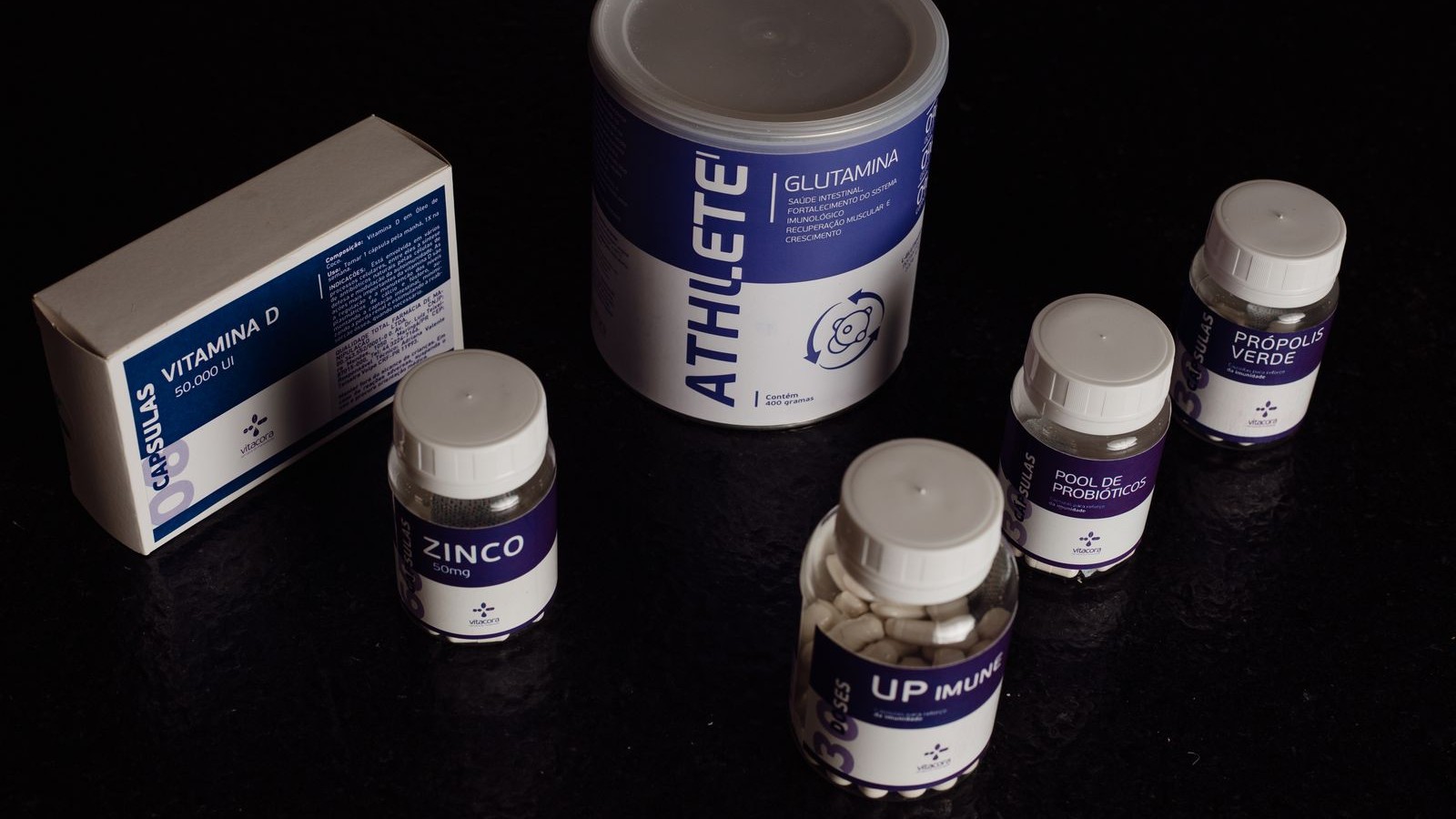
To the average customer, a lot of the health and wellness supplements look very alike: tubs of powder, neat white bottles, gummies, sachets and the occasional tiny white pill that could be any other tiny white pill.
In each case, brands are trying to sell outcomes and efficacy, rather than the enjoyment of the product in the moment, but this means differentiation can be tricky.
Formulation, sourcing, dosage, clinical support and quality control all matter but from the outside, the category can blur into one shelf - online and off.
The rise of generative AI to the content pipeline in this context introduces ways to ramp up marketing initiatives that anticipate and respond to the outcomes customers want to achieve, but it can also introduce risk.
For SEO - and AI - visibility, the problem with some AI content is generic output in a sector where the stakes are a bit higher than others, with a higher bar for what search engine gatekeepers see as 'quality'.
In most sectors a bland AI-written page is simply forgettable and indistinct but with supplements it is worse than that, because it makes an already-samey category look even more alike. "What is magnesium?" "What are the benefits of protein?"
These pages can be genuinely useful when they are specific, expert-reviewed and tied to a real question but many aren't answering anything new, or demonstrating authority. They take up space and serve as wallpaper on what could be an otherwise compelling site.
Google has Raised the Bar Further on YMYL Niches
The March and April 2026 Google updates rewarded clearer, specialist destinations and punished what industry icon Aleyda Solis called "interchangeable intermediary players" - aggregators and comparison sites that could have been written by anyone.
Danny Sullivan has been making a related point about commodity content: material that is generic, widely available and easy to replicate tends not to perform. Because AI has lowered the barrier to producing content, Google has arguably had to raise its bar for what gets indexed at all.
For a category that already looks generic, that feels like an awkward place to be and it is a topic the most growth-oriented health and supplement brands are actively working to navigate.
In 2026, the ICS team has seen an anecdotal but notable uptick in discussions around multichannel content, topical link acquisition, authenticity within content, the value/use of clinical studies (check out this podcast with Chloe Sunderland and Dr Andrea Utley) and the need to ground SEO and wider marketing initiatives in real credentials.
AI Visibility in Health + Supplements
All of this logic applies to AI visibility, only more so. AI Overviews already appear across supplement search - magnesium for sleep, creatine for women, pregnancy vitamins, vitamins for tiredness and on and endlessly on.
However, the sources cited are telling and this relates (it feels) to the type of enquiries we're receiving and the discussions we're having around link acquisition, digital footprint, digital PR coverage/link-earning and so on given the sheer power of cited sites.
To give an example, for 'pregnancy vitamins' the NHS ranks first and the AI Overview pulls from the NHS, Boots, Wild Nutrition and Holland & Barrett. For creatine for women, it cites the NIH and Anglia Ruskin University.
So - AI systems do more than list whoever ranks but go beyond to decide what looks useful, trusted and citable.
Vague claims and generic copy are a poor foundation for being cited but without being a trusted/distinct entity with good site authority and relevant/high-power links, there's no way mediocre content can close the gap even/especially when produced at undifferentiated mass scale.
This is the thinking behind our AI proposition Distinctiveness Intelligence: a brand has to be memorable to people and retrievable by gate-keeping machines.
The two are not identical, but they increasingly overlap. In short, if neither a customer nor an AI system can work out why your (for example) magnesium is different or you aren't able to properly and unambiguously compete on trust in the eyes of search engines, AI platforms and ultimately people…your brand arguably has a search visibility problem dressed up as a content problem.
Underrated Content Proof Points
The frustrating part is that - if they are indeed legit - supplement brands tend to have the raw material to incorporate into their content and stand out. Clinical trial data, third-party testing, Informed Sport certification, pharmacist input, nutritionist formulation, credible retail presence, verified reviews.
All of these are real trust signals, and the type of thing that AI systems and cautious/motivated customers look for.
Brands often needlessly obscure these credentials and some of that is due to understandable caution as, after all, the CAP Code and ASA rules around health claims are strict.
However, there is a difference between making reckless claims and making genuine proof visible. "Backed by science" on its own means very little whereas verifiable proof points giving context on what scientific testing is being referred to on which ingredient, at what dosage, with what limitations and whatnot are defensible, valid and powerful in search.
More than this, there is still scope to personalise content and provide user-generated substance with reviews, imagery and so on - this can be part of a confident search-first strategy if brands are aware of a.) what LLMs and search engines are looking for and b.) their obligations around truth, regulations and veracity.
Health Customers Search for Outcomes, not Just Ingredients
Supplement SEO tends to be product-led: protein, magnesium, creatine, collagen. But customers often start with an outcome or an issue - potentially with not just a wellness motivation but something more ambitious or emotional.
They search for sleep, tiredness, menopause, muscle retention, recovery and ageing well. "Magnesium for sleep" pulls around 22,000 searches a month in the UK. "Creatine for women" has climbed steeply as an old ingredient found a new audience.
However, even with ingredient-oriented searches, generic content struggles here too, because the underlying outcome-based motivation demands specifics - which form, which format, whether it is safe, whether it actually works - and some empathy with what the customer is trying to achieve, their lifestyle and so on.
This is a quality and originality argument rather than a case against AI-generated content, which is a useful tool used well. In supplements the stakes are higher: the category already fights to look distinctive, and it operates in a high-trust space where poor information can do real harm.
The brands that win organic and AI visibility will be the ones that connect the whole system - content that answers real questions, evidence that is visible and compliant, reviews and retail presence that support trust, and digital PR that builds relevant authority.
All of this should combine to create a supplements SEO strategy with substance, but content has a critical role.
Similar Posts