ITB Berlin 2026: FAQs and a Practical Guide from Someone Who’s Done the Miles

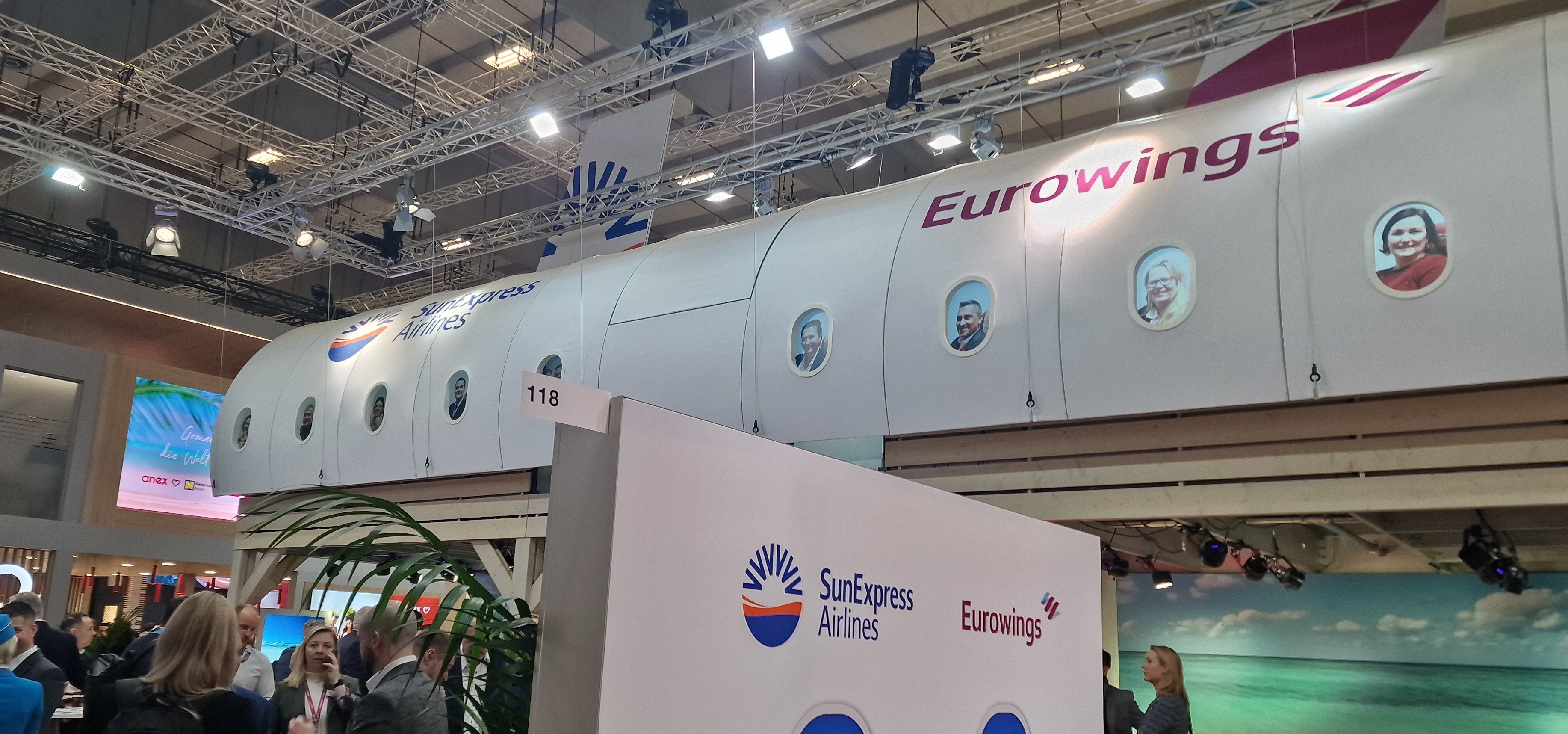
ITB Berlin, held at Messe in west Berlin, runs from 6–8 March 2026 and is (pretty unambiguously) the world’s largest travel trade show but with so many potential opportunities, there’s also massive scope to burn time and energy.
If you’re attending ITB Berlin for the first time, there’s a realisation that may hit you surprisingly quickly.
However big you think the event is, double it.
ITB Berlin isn’t just a large conference. It’s physically demanding, culturally broad, and intense in a way that only really becomes clear once you’re there and find yourself saying crazy things like ‘I’m in Japan at the moment but I’ll meet you for a coffee in Denmark’ and the like.
In terms of this blog, I’ve tried to create a (subjective but hopefully useful!) guide to what actually helps when you’re there, written from lived experience because ITB really is a different beast.
I’ve tried to address some of the FAQs about transport, food and the practicalities of such a huge event, while giving some personal perspectives on getting the most from conferences that may well apply to events in other niches - big or small.
What ITB Berlin Actually Is
ITB Berlin aims to bring together destinations, tourism boards, travel brands, technology providers and agencies from almost every country and the 2026 event looks to be the biggest and most intimidating ever in terms of scale.
The name comes from Internationale Tourismus-Börse but nobody is going to test you on this.
In practice, it means three days where a huge amount of global travel business tries to happen at once.
As entertaining as the sights and sounds are, there can also be a sense of intensity/anxiety as people who have travelled huge distances are on a mission to get ROI and focus in on only the most relevant discussions.
For us at ICS we have at least some advantages in this regard as we work across so many languages and so many service areas so we usually do have something relevant to suggest, but we’re conscious of being time-efficient and respectful of the goals of other attendees.
Even so, this scale presents some challenges as while everyone is there, logistically it can be hard to block time, navigate the Messe and have substantive discussions amid the chaos unless you have a plan and plenty of energy.
It’s a business event first and foremost, but one with a very international mix of expectations, communication styles and working norms.
That matters more than people expect and certainly in contrast to some of the events we attend in sectors like finance, ecommerce, law and iGaming and so on.
Where ITB Berlin 2026 Takes Place, and Transport Options
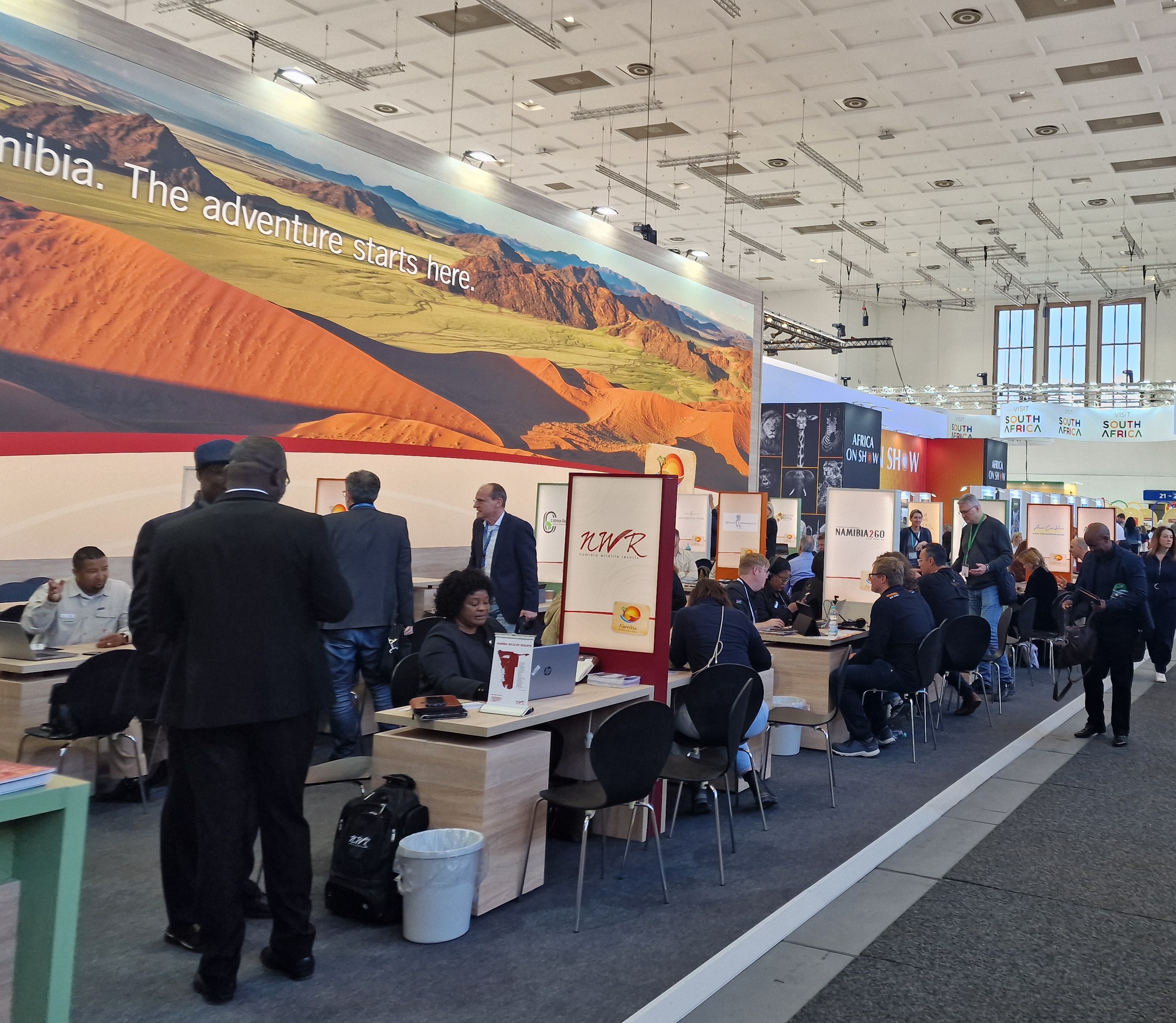
ITB Berlin is held at Messe Berlin, a vast exhibition complex in west Berlin, in the Charlottenburg area.
Public transport is usually the most reliable way to get in and out of Messe Berlin given the huge demand for taxis. The ICS team always aim to be a few S-Bahn stops away rather than trying to get physically close. Travel time matters more than proximity.
The S-Bahn routes serving Messe Süd and Messe Nord/ICC are heavily used during the event and through painful experience we can say tend to be more predictable than taxis at peak times.
If you’re arriving via Berlin Brandenburg Airport, an ABC ticket covers the journey into the city and onwards to the venue.
Buying a multi-day public transport ticket at the start of the event removes friction and saves time each morning. Small efficiencies like this make a difference over three long days - particularly if you want to have substantive meetings or hit multiple halls.
For those using the U-Bahn rather than the S-Bahn, stations such as Kaiserdamm (U2) and Theodor-Heuss-Platz (U2) are commonly used and can be a bit less crowded.
From either, you should expect a 10 to15 minute walk depending on which entrance or hall you’re aiming for and how busy it is.
As a rough rule of thumb, if you’re entering via the CityCube or southern halls, the S-Bahn tends to be more direct. If you’re heading towards the western or northern halls, the U-Bahn can make sense.
Crucially, neither option eliminates walking once you’re inside and with this in mind, it is distances inside the venue are what tend to catch people out.
A meeting that looks close on the map often isn’t once crowds, security checks and hall layouts are factored in.
Walking from one side of the venue to the other can easily take 30 minutes once crowds, distractions and navigation are factored in. Grouping meetings by hall or zone, where possible, can make such a difference to energy levels across the day.
Small delays add up quickly across the day and can contribute to flustered chats rather than relaxed discussion. More on this later.
When ITB Berlin 2026 Takes Place
ITB Berlin 2026 runs from 6 to 8 March 2026, with trade visitor opening hours typically 10:00 to 18:00 each day.
Exhibitors and speakers usually have earlier access in the mornings but even as a trade visitor, it is possibly no bad thing to be on site a little earlier and get a coffee nearby.
Particularly on the first day when people are collecting badges and so on, arriving earlier than you think you need to can make the whole event feel calmer and avoid unnecessary stress if transport or crowds are more problematic than expected.
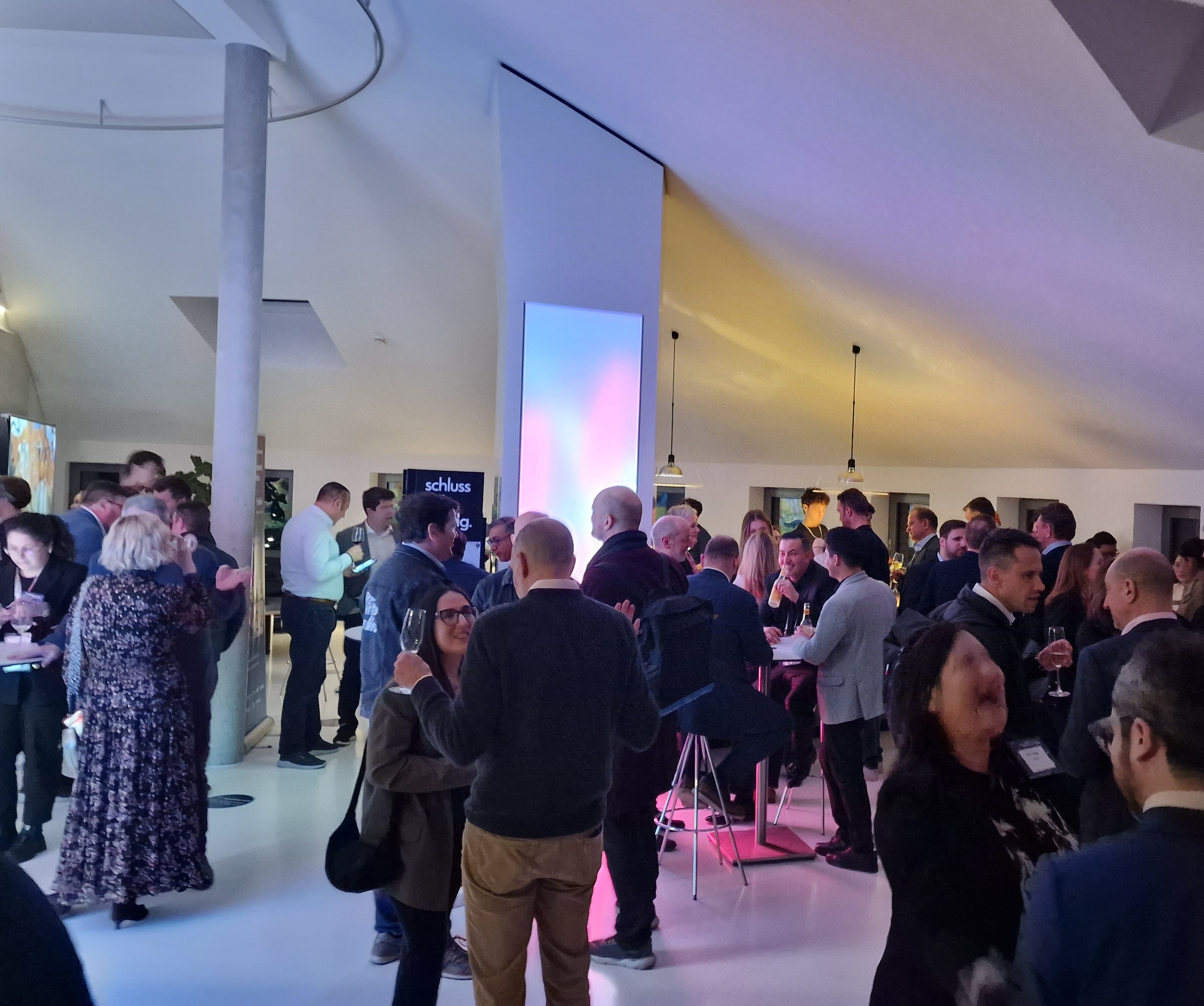
Hosting your own side events can add extra travel considerations, but also greater value - last year we collaborated with Travolution to organise a packed evening event specifically for marketers -
The Physical Reality ITB Berlin Attendees Underestimate
If attending as a visitor, you will walk a lot. Last year we regularly clocked days of 25,000 to 30,000 steps - more is not unusual for particularly tenacious visitors.
Sensible shoes matter more than style, but this is also a genuinely international business environment.
Almost every country and culture is represented, so being too casual is rarely a good idea. Better to be over- than under-dressed. Comfortable, professional and practical is the balance that works.
Fatigue builds over the three days. Energy management is central to whether conversations stay sharp or drift into polite but unproductive territory.
For us as a digital marketing and translation agency, it is vital to make sure we’re sharing insights that are meaningful, and we try and mitigate the impact of distance/noise by coming prepared to each meeting with ideas and talking points rather than prescriptive cookie-cutter strategies. More than this, we listen.
ITB Berlin Food, Queues and Staying Functional
There are plenty of food options inside the venue and while tickets don’t include food, prices are reasonable. The issue is queues, especially around lunchtime.
Blocking out time for lunch is important, not just to eat but to reset mentally. Trying to squeeze food between meetings usually means either missing meals or spending too long queueing.
As a diabetic, I’m always keen to make sure I make the right decisions around food and drink but I think everyone can benefit from being conscious about what they’re consuming and when.
A simple but effective tactic is bringing a sandwich with you or buying one on arrival if you have a tote bag or backpack. It sounds basic, but avoiding queues can save both time and energy when it matters. It’s not about eating well in an abstract sense; it’s about eating predictably, so you’re not trying to have important conversations while distracted, tired or rushing.

Meetings and Conversations that Generate Value
The best conversations at ITB almost always come from pre-booked meetings where both sides have done some research.
One of the most common mistakes is loading up on meetings simply to stay busy.
A full diary can look productive, but it often leads to shallow conversations and exhaustion. Fewer meetings, better prepared, with space between them, tends to work far better.
Listening matters more than talking - particularly where people may be hearing about you for the first time or (as in the case of ICS) if you have a wide range of services that could be relevant but potentially aren’t.
Nobody wants to be hit with a flurry of services from someone in broadcast mode.
Being genuinely interested, empathetic and establishing early whether there’s a genuine business fit avoids long, pleasant conversations that benefit nobody given the pressures of the event.
Not All Halls are Equal
Some halls are designed to impress. Large tourism authority spaces can be inspiring and useful for understanding how destinations want to position themselves and include a lot of visuals, displays and ‘wow’ factor - but it may be that the discussions themselves don’t go far beyond the optics.
Quieter B2B areas are (for us) often where more productive conversations happen. They’re less colourful, but often more focused. Knowing the difference helps you decide where to spend limited time and energy.
People confuse being busy with being effective. They mistake politeness for progress.
ITB - like other large conferences - rewards clarity and restraint. Being selective, respectful and genuinely curious tends to lead to better outcomes than trying to do everything.
Weather at ITB Berlin 2026 and What to Expect
Early March in Berlin is usually cool and this year looks no different for ITB 2026.
Temperatures often sit between low single digits and around 10°C, and rain is always a possibility - a striking contrast to the sunny scenes on display everywhere in the Messe.
Layers and a decent coat make mornings and evenings more comfortable, especially if you’re walking or using public transport but again, practicality counts - think about what you can carry and adapt as you make strides around the event and balance comfort with formality.
Why ICS-digital Attends ITB Berlin
At ICS-digital, we work internationally across SEO, multilingual content, digital strategy, translation and many more marketing services related to travel and tourism growth, and new market entry.
ITB Berlin matters because, amid the noise, it does actually bring global marketers into one place and exposes how differently travel pros in different niches think about visibility, growth and performance. Those differences are often where good international strategy really begins.
If it’s useful, you can explore our:
- Multilingual content services
- Travel and tourism sector expertise
-Downloadable Guide - Travel SEO Services
A Final Thought
You can’t see everything at ITB Berlin, and you don’t need to.
What matters is managing energy, choosing conversations deliberately, and listening carefully in a very busy environment.
Get that balance right and ITB becomes not just manageable, but genuinely valuable.
Similar Posts
.jpg)